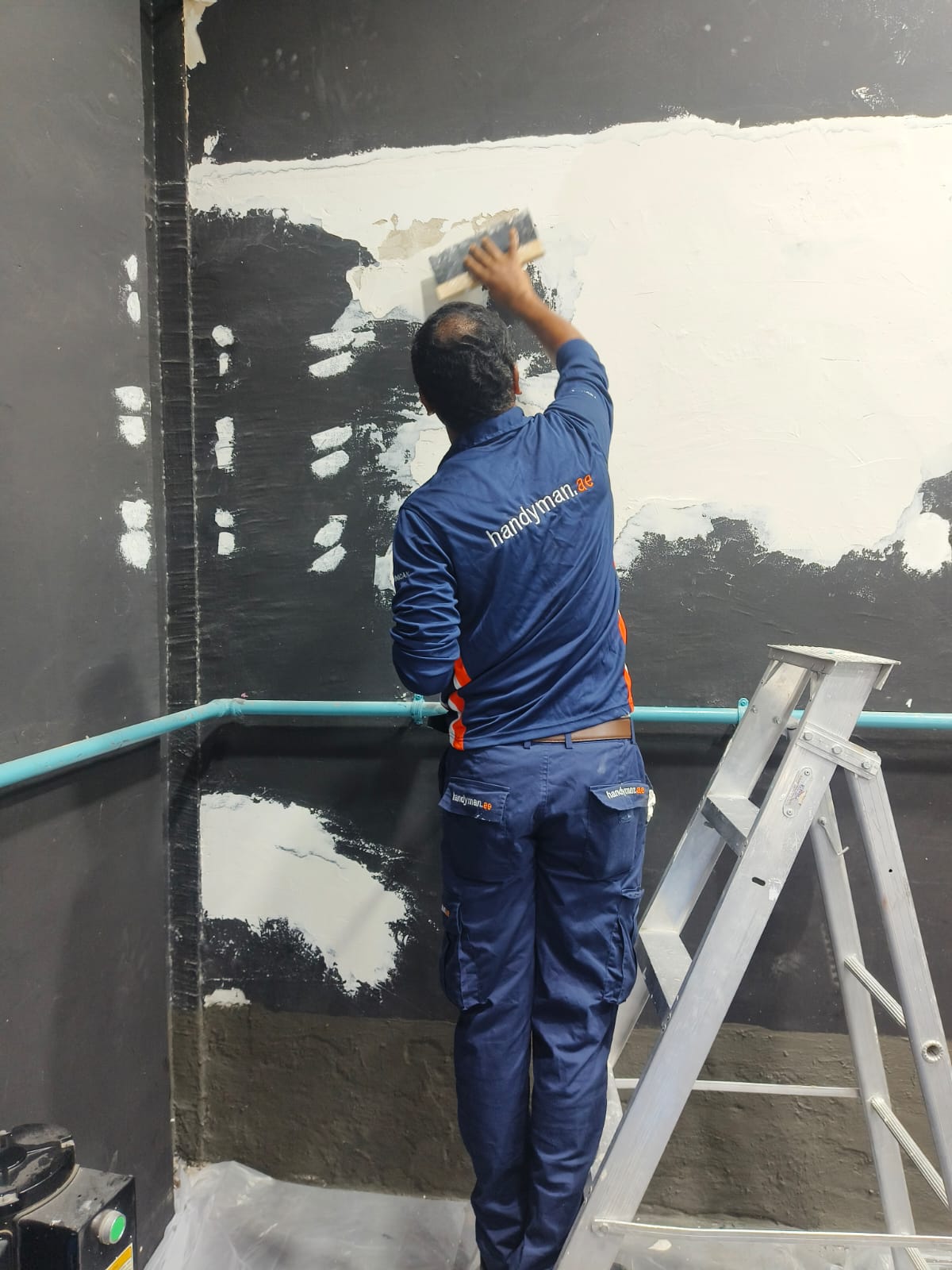
Mold Remediation in Dubai: Complete Guide by Dubai's Handyman
What is Mold Remediation in Dubai and when do you need it? Mold remediation in Dubai is the professional process of identifying, removing, and preventing mold growth inside residential and commercial properties, particularly tailored to the unique environmental and regulatory conditions of the city. You need mold remediation the moment you detect visible mold colonies, persistent musty odors, unexplained health symptoms, or water damage inside your property.
Dubai's extreme climate—with summer temperatures soaring to 50°C, humidity levels exceeding 90% in coastal areas like Jumeirah, Dubai Marina, and Palm Jumeirah, combined with salty sea air and frequent blowing sand—creates an environment conducive to mold proliferation, especially when compounded by issues with building materials or HVAC systems. Prompt mold remediation is critical to preserving indoor air quality, structural integrity, and occupant health.
Understanding Mold Remediation: What It Involves
Mold remediation is a systematic, multi-step process that aims to eliminate mold contamination and prevent recurrence. In Dubai, this means addressing not only the visible mold patches but also the underlying moisture issues exacerbated by local climate factors, building design, and district cooling systems such as Empower, Emicool, and Tabreed.
The core components of mold remediation include:
- Inspection and Assessment: Thorough visual and instrumental inspection to locate mold colonies, moisture sources, and affected materials.
- Containment: Setting up physical barriers and negative air pressure to isolate mold spores and prevent cross-contamination during removal.
- Removal and Cleaning: Safe removal of mold-infested materials like drywall, insulation, carpets, and wood, followed by cleaning and sanitization.
- Drying and Dehumidification: Using industrial dehumidifiers and air movers to reduce humidity levels in the affected areas, crucial in Dubai’s climate where humidity spikes at night and in coastal zones.
- Repairs and Restoration: Repairing or replacing damaged structures, drywall repairs, repainting, and restoring the property to pre-mold condition.
- Prevention: Recommendations and implementation of moisture control measures, including HVAC maintenance such as AC duct cleaning and AC maintenance to prevent mold regrowth.
Dubai's handyman services emphasize compliance with Dubai Municipality regulations and Civil Defence standards to ensure all remediation work meets safety and environmental guidelines.
Common Mold Problems Solved in Dubai Properties
Mold growth in Dubai homes and buildings manifests in several common scenarios, each requiring expert intervention:
- HVAC-Related Mold: The extensive use of air conditioning systems in apartments, villas, and towers can cause condensation buildup in ducts and cooling units. Without regular AC duct cleaning & sanitization, mold spores may circulate indoors.
- Water Leak-Induced Mold: Burst pipes, faulty plumbing, or irrigation leaks can create hidden dampness behind walls or under floors, especially critical in high-rise towers governed by DEWA water supply regulations.
- Humidity in Coastal Areas: Properties along Dubai Marina, Palm Jumeirah, and JBR experience heavy salt-laden air and high humidity, accelerating wood rot and mold colonization on balconies, window frames, and exterior walls.
- Sand Intrusion: Blowing sand from desert winds settles into cracks and porous surfaces, retaining moisture and promoting mold growth in unsealed or poorly maintained exterior walls.
- District Cooling System Failures: Issues with chilled water supply or condensate drainage from district cooling providers like Empower or Emicool may cause moisture problems in commercial buildings and residential towers.
- Inadequate Ventilation: Villas and townhouses with enclosed spaces such as basements, storage rooms, or bathrooms lacking proper ventilation often develop mold and mildew.
Dubai-Specific Factors Influencing Mold Growth and Remediation
The environmental and regulatory landscape in Dubai demands a tailored approach to mold remediation. Key factors include:
Extreme Climate and Humidity
Dubai’s desert climate is paradoxically humid in coastal zones. During summer, daytime heat can reach 50°C, but night-time humidity often exceeds 90%, especially near the Arabian Gulf. This microclimate encourages moisture retention on building surfaces, fostering mold growth if unchecked.
Salt Air and Coastal Corrosion
Salt-laden air around Palm Jumeirah, Dubai Marina, and JBR accelerates corrosion and degrades paint and sealants, creating entry points for moisture and mold spores. Remediation specialists must use corrosion-resistant materials and sealants approved by Dubai Municipality to withstand the coastal environment.
Blowing Sand and Dust
Frequent sandstorms deposit fine dust and sand particles into cracks, HVAC vents, and wall cavities. These particulates trap moisture and organic matter, serving as a breeding ground for mold fungi. Effective remediation includes sand-proofing and sealing solutions aligned with RERA building maintenance standards.
Building Types and Regulations
Dubai’s diverse real estate portfolio—from freehold towers and penthouses to villas and townhouses—requires different remediation strategies. High-rises prioritize compliance with Civil Defence fire safety codes and DEWA water regulations, while villas may focus more on external wall treatments and ventilation improvements.
District Cooling and HVAC Systems
The widespread use of district cooling systems like Tabreed in commercial and residential projects necessitates coordination with provider maintenance schedules. Improper condensate drainage or duct cleaning can exacerbate mold problems. Dubai’s handyman experts often collaborate with AC cleaning and AC maintenance teams to deliver holistic remediation.
The High Cost of Ignoring Mold Remediation: Pain Stack for Dubai Residents
Ignoring mold in your Dubai property compounds problems exponentially. The following summarizes the escalating pains when remediation is delayed:
- Structural Damage: Mold consumes organic building materials—drywall, wood, and insulation—weakening walls and ceilings. Over time, this can compromise the integrity of your villa, townhouse, or apartment, leading to costly repairs beyond simple drywall repair.
- Health Risks: Prolonged exposure to mold spores triggers respiratory problems, allergies, asthma attacks, and infections. Vulnerable populations such as children, elderly residents, and those with pre-existing conditions suffer the most.
- Decline in Indoor Air Quality: Mold spores circulating through HVAC systems worsen air quality. Without prompt AC duct cleaning & sanitization, these spores spread rapidly throughout the home.
- Lease and Legal Consequences: Tenants failing to report or address mold issues promptly risk lease violations, eviction, or deposit forfeiture under Dubai tenancy laws and RERA rules.
- Voided Warranties: Many building material warranties become void if mold damage is neglected. This includes waterproofing guarantees and HVAC equipment warranties.
- Escalating Remediation Costs: Early intervention requires less invasive work. Delayed action leads to extensive demolition, replacement, and restoration.
Cost of Inaction: Quantifying the Hidden Damages
Beyond monetary expense, the cost of inaction on mold remediation in Dubai includes measurable non-monetary losses affecting property value, health, and comfort:
| Metric | Potential Impact |
|---|---|
| Days lost due to remediation delays | Up to several weeks of displacement or restricted access |
| Square meters of affected surfaces | Can expand rapidly from a few to dozens of square meters |
| Warranty hours forfeited | Full or partial voiding of AC maintenance and building material warranties |
| Mold spore counts indoors | May increase exponentially, from hundreds to thousands per cubic meter |
| Energy waste percentage | Up to 15-20% increased AC energy consumption due to clogged ducts and reduced efficiency |
These numbers demonstrate why neglecting mold remediation can severely impact the livability and value of Dubai properties.
Tools, Materials, and Process Steps in Dubai’s Mold Remediation
Commonly Used Tools
- Moisture meters and infrared cameras for hidden dampness detection
- HEPA-filtered vacuums to safely collect mold spores
- Air scrubbers and negative air machines to contain mold particles
- Industrial dehumidifiers and air movers for rapid drying
- Protective gear including respirators, gloves, and coveralls for technician safety
Materials and Cleaning Agents
- Antimicrobial sprays and EPA-registered fungicides suitable for Dubai’s environmental standards
- Sealing compounds resistant to salt corrosion for coastal properties
- Replacement drywall, insulation, and wood treated for moisture resistance
- Specialized paints and sealants complying with Dubai Municipality regulations
Step-by-Step Mold Remediation Process
- Initial Assessment: Technicians conduct a comprehensive inspection, including moisture measurement and visual mold identification.
- Planning and Containment: A remediation plan is prepared. Containment barriers and negative air pressure systems are installed to isolate the affected area.
- Removal of Affected Materials: Mold-infested drywall, carpets, and insulation are carefully removed and disposed of according to environmental guidelines.
- Cleaning and Disinfection: Surfaces are cleaned using antimicrobial agents. HVAC components undergo AC duct cleaning and sanitization to remove mold spores.
- Drying: Industrial dehumidifiers and air movers reduce moisture to safe levels, a critical step in Dubai’s humid conditions.
- Restoration: Repaired areas undergo drywall repair, repainting with mold-resistant coatings, and any structural restoration. Related handyman tasks such as carpentry services may be required.
- Prevention Recommendations: Technicians advise on ventilation improvements, moisture control, and routine maintenance such as annual maintenance contracts (AMC) for HVAC systems.
Warning Signs of Mold in Dubai Homes and Offices
Recognizing mold early is vital to prevent extensive damage. Look out for these signs:
- Persistent musty or earthy odors, especially in bathrooms, kitchens, or near AC vents
- Visible discoloration or fuzzy patches on walls, ceilings, or floors
- Peeling or bubbling paint and wallpaper
- Condensation buildup on windows or AC units
- Health symptoms including sneezing, coughing, or skin irritation among occupants
- Staining or warping of wood or drywall
When any of these signs appear, immediate professional assessment and remediation are critical to prevent escalation.
Technician Qualifications and Standards in Dubai Mold Remediation
Dubai’s handyman experts involved in mold remediation must meet stringent qualifications and comply with local authorities:
- Certification in mold remediation and indoor air quality management recognized internationally and locally
- Training compliant with Dubai Municipality and Civil Defence safety regulations
- Experience with Dubai’s specific building types from freehold towers to villas and penthouses
- Proficiency in using advanced moisture detection and air quality monitoring equipment
- Capability to coordinate with DEWA for water-related issues and district cooling operators for HVAC system integration
- Adherence to RERA guidelines for landlord and tenant responsibilities regarding property maintenance
Choosing certified professionals ensures safe, effective, and compliant mold remediation results.
Frequently Asked Questions About Mold Remediation in Dubai
1. How quickly should I act if I find mold in my Dubai home?
You should take immediate action upon discovering mold. Due to Dubai’s humid conditions, mold can spread rapidly within days. Prompt remediation prevents structural damage and health issues. Contact Dubai’s handyman for a quick assessment.
2. Can I attempt mold removal myself in Dubai?
DIY mold removal is not recommended in Dubai’s climate because improper handling can spread spores, worsen exposure, and miss hidden moisture sources. Professional remediation ensures thorough treatment, especially considering local environmental factors.
3. What role does AC maintenance play in preventing mold?
Regular AC maintenance and AC duct cleaning & sanitization are vital to preventing mold in HVAC systems, which circulate air throughout Dubai properties. Well-maintained AC units reduce condensation and inhibit mold growth.
4. Are there any Dubai regulations mandating mold remediation?
While specific mold remediation laws are not codified, Dubai Municipality building codes, Civil Defence safety standards, DEWA water regulations, and RERA tenancy laws require landlords and owners to maintain mold-free, safe environments.
5. How does salt air affect mold growth on Dubai’s coastal properties?
Salt air corrodes protective coatings and creates surface micro-cracks that trap moisture, fostering mold growth. Coastal property owners should opt for salt-resistant materials and periodic inspections by Dubai's handyman experts.
6. What kinds of mold are most common in Dubai?
Common molds in Dubai include Aspergillus, Cladosporium, and Stachybotrys (black mold). These thrive in humid, warm environments and can cause serious health problems if untreated.
7. How long does professional mold remediation take in Dubai?
Duration depends on severity and property size but typically ranges from a few days to two weeks. Factors such as hidden moisture, building type, and scope of repairs influence timelines.
8. Is mold covered under Dubai home insurance policies?
Most policies exclude mold caused by neglect or poor maintenance. However, sudden water damage leading to mold may be covered. Always verify your policy details and address mold promptly to avoid disputes.
9. Can mold cause damage to district cooling systems?
Yes. Mold in ducts or condensate lines within district cooling setups like Empower or Emicool can reduce efficiency and spread spores. Scheduled AC duct cleaning and system inspections are essential preventive steps.
10. What preventive measures does Dubai's handyman recommend after remediation?
Post-remediation, regular AC maintenance, moisture control through ventilation improvements, sealing cracks against sand intrusion, and following Dubai Municipality and RERA guidelines are recommended to keep mold at bay.
Related Services to Support Mold-Free Living in Dubai
Dubai’s handyman offers comprehensive services to complement mold remediation and maintain a healthy home environment:
- AC Cleaning – Prevent moisture buildup in air conditioning units
- AC Duct Cleaning & Sanitization – Remove mold spores circulating in HVAC ducts
- Drywall Repair – Restore walls damaged by mold infestation
- Deep Cleaning – Remove dust, sand, and organic matter that feeds mold growth
- AC Maintenance – Ensure proper function and moisture control of AC systems
For an in-depth look at maintaining your AC system to prevent mold, see our Dubai AC Maintenance Checklist. To learn how to manage humidity effectively in Dubai homes, visit How to Control Humidity in Dubai.
Contact Dubai's Handyman for Expert Mold Remediation
Don’t let mold threaten your property or health. Dubai’s handyman offers certified, comprehensive mold remediation services tailored to Dubai’s climate and regulations. Our technicians ensure safe removal, thorough cleaning, and lasting prevention.
Chat with Dubai's handyman on WhatsApp 📲
Dubai's handyman. Your trusted partner for mold-free living.
Additional Resources
For ongoing property care, explore our Annual Maintenance Contract (AMC) service to ensure your home stays protected year-round. If you require quick fixes, our Emergency Handyman team is ready to assist.
Learn more about protecting your home environment by reading our guide on Preventing Mold in Dubai Homes.
Get Started Today
Protect your family, investment, and peace of mind. Reach out to Dubai's handyman now for a professional mold remediation consultation and service tailored to your property’s unique needs.
Contact Dubai's handyman on WhatsApp 📲
Dubai's handyman. Excellence in mold remediation and home services.